Case study 03, energy retail
Six loss-making fuel stations to a network of 500+
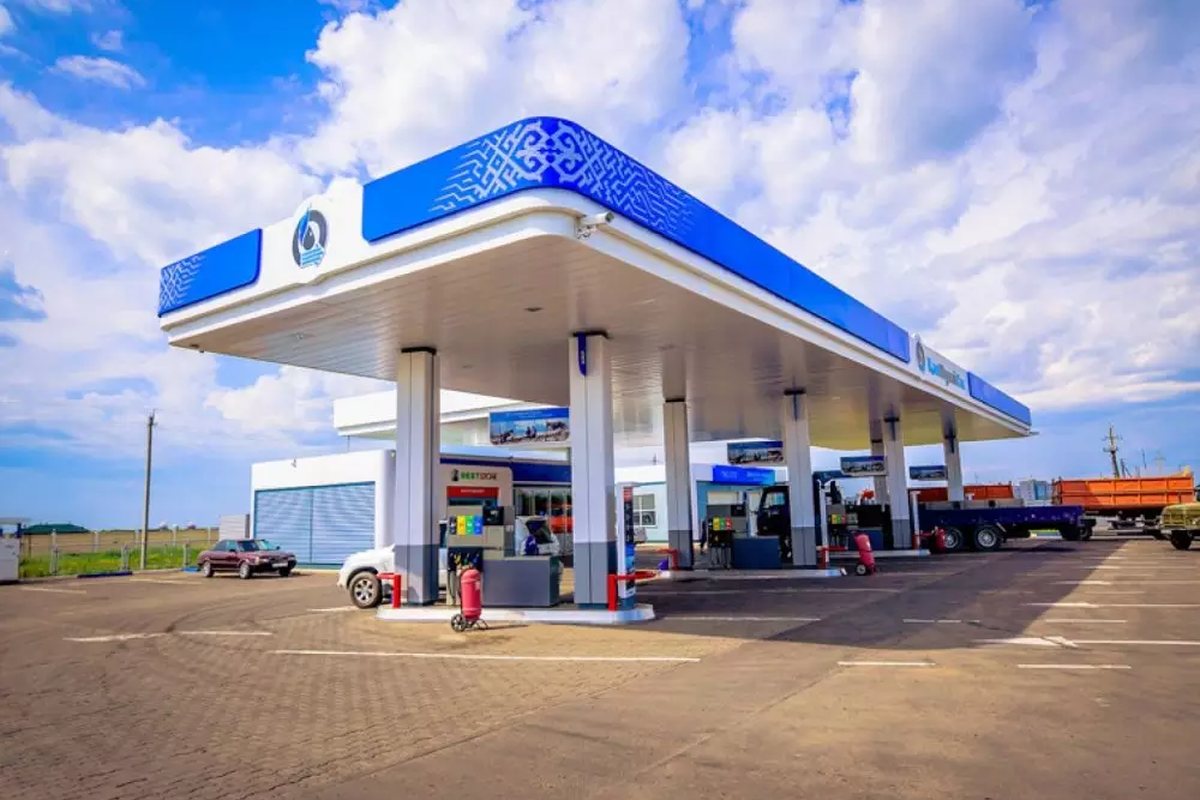
This one was not a startup. It was a state oil company with a retail business it had never taken seriously.
01The starting position
In September 2002 I arrived in Astana to take over fuel stations for KazMunayGas. The company had six stations. All six were loss-making. None had a shop attached. Retail was not a focus area for a company whose attention was upstream.
The instruction was blunt: the holding needs fuel stations, you are now in charge of them. The target was not six more. It was fifty, then a hundred, and ideally five hundred.
02Auditing the product before selling it
About six weeks in, I went to a KazMunayGas station in Aktau, bought fuel into three plastic bottles, and sent them to the laboratory in Atyrau. The analysis showed 95-octane fuel had been cut down to 92, and 92 cut down to 89. The branch director was removed.
I did that before writing any strategy, for a reason that applies to every business I have worked on since. Selling cut fuel while building out 500 stations would have scaled the fraud, not the network.
03Finding the model before inventing one
In December 2002 I travelled to Ukraine with my supervisor to study how TNK ran franchised fuel station networks. It was my first time in Kyiv, and it supplied the mechanism I would use two years later to scale past anything a state company could build and staff on its own balance sheet.
TNK's franchise model was already working in Ukraine. I copied the mechanism instead of designing one from scratch.
04The document that unlocked the budget
In February 2003 I wrote a 120-page investment program: the "Investment Program of Trading House KazMunayGas, State Project for the development of the retail network for oil and gas refined products". It was defended before the Government of Kazakhstan and entered into the budget of the Republic.
A neglected six-station unit inside a state holding became a funded national infrastructure program with a government mandate behind it. I did not ask for budget. I wrote the case that got it approved.
05Site selection is market selection
Then came the instruction to find 55 locations across Kazakhstan to build on. I travelled the country analyzing transport flows and counting vehicles on the highways, down to settlements where the only commercial activity of the day happened in the fifteen minutes around a transit train. I negotiated land allocation with local akims and administrators in every region.
Counting cars on a road is the physical version of the account research I now do for software founders: go and look at the actual demand signal rather than accept a number somebody else assembled.
06Winning the right to build
KazMunayGas is a state company, so nothing could be built without winning a public tender first. We spent four months preparing tender documentation for dozens of stations. In May 2004 I flew from Almaty to Astana with suitcases of it. We won every lot.
Then we designed and built, and I wrote the operating rules and procedures for running and controlling the network as we went,
07Outcome
We built roughly 50 company-owned stations directly. The franchise model, the one studied in Ukraine two years earlier, then took the network past 500 stations across Kazakhstan. The program paid for itself several times over. KazMunayGas later sold its station network.
Different industry, same process: identify a specific customer problem, validate it directly, define the positioning and the offer, win the first sites and customers personally, build a repeatable operating process, measure the results, and only then scale through a mechanism you do not have to fund yourself.
30 minutes. No pitch, no obligations. English, Russian, or Ukrainian.